How NHL Scorers Use Deception and Quick Release to Beat Goalies


Most recreational players obsess over shot velocity — the harder, the better. But here's what separates beer league heroes from NHL snipers: elite scorers know that release speed and deception matter more than raw power. A 70 mph shot with a 0.3-second release beats a 90 mph shot with a 0.7-second release every time because it gives goalies less time to react.
Quick Answer: NHL scorers use patience, awareness, deception, and killer shots to consistently beat goalies. The league's top goal scorers rely on three core techniques: lightning-fast releases that prioritize speed over power, deceptive movements that throw off goalie timing, and angle changes that create challenges for both goalies and shot-blocking defensemen.
Sidney Crosby's Blade Deception
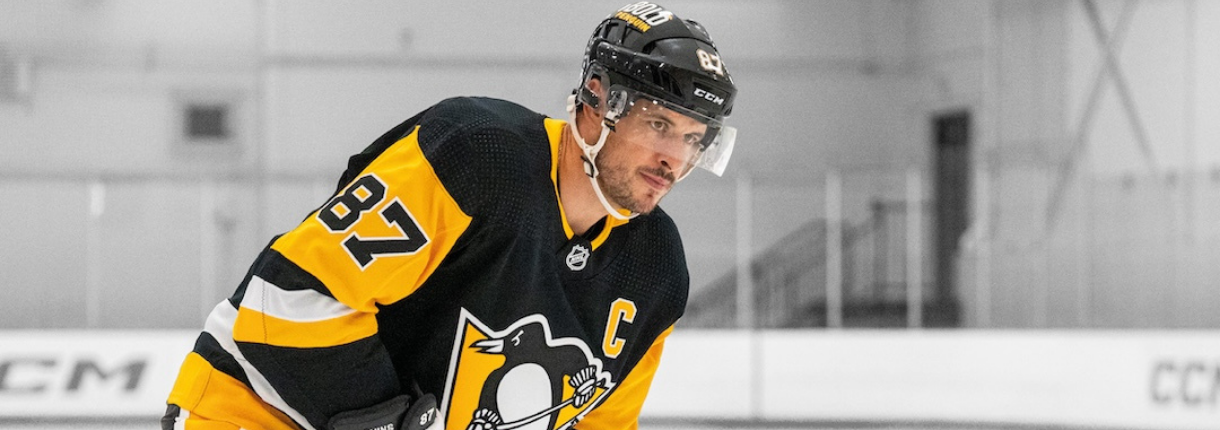
Sidney Crosby doesn't have hockey's hardest shot, but since 2005, only Alex Ovechkin has scored more goals. For most of his career, Crosby scored with his brain — he's a lurker and thinker who relies on hockey sense. His blade deception technique demonstrates exactly why intelligence trumps power.
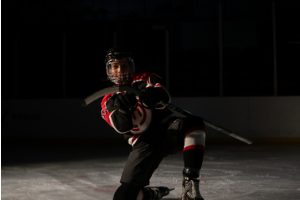
Crosby's signature move involves dropping to one knee for a dynamic shooting technique that lowers his center of gravity, generates extra power, and catches goalies off guard with a lightning-fast release. He uses this to change shooting angles, increase stability, and generate explosive power without sacrificing quickness.
Blade Deception Drill:
- Approach with blade slightly open — Position your blade as if preparing for a high shot
- Sell the deception with posture — Use fake shot movements to disrupt defense and force over-commitment, creating hesitation to exploit openings
- Close blade at last moment — Execute the actual low shot with blade closed
- Maintain continuous motion — The fake and release must be done very rapidly to gain deception advantage on goalies
The key detail: Most players need to get set and feel the puck on the mid-heel of their blade before shooting. Crosby trades a few MPH to get the puck to the goalie before they expect the shot.
Nikita Kucherov's Angle-Changing Shot
Nikita Kucherov, the likely 2019 Art Ross and Hart Trophy winner, does what he does best: using deception to beat goalies. His essence combines patience, awareness, deception, and a killer shot. Kucherov's shot is similar to Alex Ovechkin's in that he changes direction on the shot, making it tough for goalies. His quick release and accuracy make it special.
"His ability to get pucks on and off his stick is amazing," says Lightning assistant coach Steve Thomas. "That's 80 percent of shooting the puck, the art of deception".
Angle Change Drill:
- Skate toward net with controlled approach — Carry the puck in 'triple-threat' position where you can skate, pass, or shoot, with weight balanced on inside edges in wide stance
- Pull puck 6 to 12 inches laterally — Push the puck in front of your body to force goalie adjustment, creating new scoring possibilities and opening shooting lanes that seemed blocked
- Release immediately after the move — Use patience like Kucherov, waiting just long enough to create the opening while keeping dangerous passing options available
- Focus on timing over distance — Shoot before the goalie can reset their angle
The importance lies in controlling the puck outside your skates, using setup moves to create deception, keeping head and eyes up, and getting hands off your body for explosive shots.
Kyle Connor's Quick Release
When it comes to pure goal scorers, few match the quick release of Cole Caufield. His ability to get the puck off his stick instantly makes him one of the NHL's most dangerous snipers — but Kyle Connor has mastered this same principle with his own variation.
Connor's technique centers on eliminating extra movement for a compact release that's faster and more deceptive. A 70 mph shot with a 0.3-second release beats a 90 mph shot with a 0.7-second release.
Quick-Release Drill:
- Set up multiple pucks — Place 5-6 pucks in shooting position
- Shoot within one second per puck — Eliminate all preparatory movements and measure time from first stick movement to puck release, targeting 0.35 seconds or faster for elite level
- Use minimal windup — Eliminate extra movement in your shot for a compact release that's faster and more deceptive
- Focus on release timing — Think less about aiming and more about catching the goalie before they're set
The mental approach matters: Players must develop "shooter's mentality" — unwavering belief that shooting quickly is correct even when attempts miss or get blocked. This requires overcoming fear of mistakes and trusting training.
William Nylander's Deceptive Body Language
Elite players "shoot in stride" so goalies can't predict when the shot is coming. Most players stop their feet before releasing, which tells the goalie they're about to shoot — this should be kept to minimum or eliminated for deception.
William Nylander has perfected body language deception by using his entire posture to sell fake shot intentions.
Body Deception Drill:
- Approach with exaggerated high-shot posture — Lift trailing leg and load stick high
- Sell the fake with full commitment — Mix in deception strategically rather than using it in all playing actions to keep opponents guessing
- Release low while maintaining high posture — Execute the actual shot low while body language suggests high
- Practice timing variations — Use "Pull-counter Release" by faking pull-in motion, pushing puck back out, and releasing snap shot away from body for deception advantage
Advanced Technique: Fake shot, reset, and release must be done rapidly. Push puck hard toward net on forehand, quickly pull back on backhand, then sweep through for snap shot release.
Hockey Sticks to Help with Quick-Release Shots
The snap shot is one of hockey's best shots because of its quick release and deceptive nature. The goal is to limit windup and snap the puck quickly so defending teams and goalies don't have time to react or properly set up.
Low-kick sticks are engineered specifically for faster releases. A fast, deceptive release is more valuable than a heavy shot. Goaltenders rely on reading body language, so minimizing windup gives you the edge.
Bauer Vapor Flylite Senior Hockey Stick
$369.99
Bauer Vapor Series: Bauer's Vapor line is built for "quick, rocket-like releases." The P28 mid-toe curve is designed specifically for quick release shots, helping players pull the puck toward themselves before releasing — perfect for deceptive snapshots.
CCM Ribcor Trigger 10 Pro Senior Hockey Stick
$389.99
CCM Ribcor Series: CCM's low-kick sticks are designed to "maximize quick release on snap shots." The low kick point makes the stick easier to load and release quickly because stiffness decreases toward the lower shaft.
| Stick Feature | Bauer Vapor | CCM Ribcor |
| Kick Point | Low | Low |
| Primary Shot Type | Snap/Wrist | Snap Shot |
| Release Speed | Excellent | Excellent |
| Deception Rating | High | High |
| Price Range | $150-$400 | $150-$400 |
Training Drills for Deceptive Shooting
Set up stations where players have 3 seconds to receive a pass and get a shot off, gradually reducing time window to 2 seconds, then 1.5 seconds. Reducing load time is key to developing lightning-fast release.
Progressive Training System
Week 1-2: Mechanics Foundation
- Practice wrist shots and snapshots that get off your stick quickly. Use targets — pucks, water bottles, or commercial shooting aids — to hone corner-picking ability. Start slow for accuracy, then add speed and pressure
Week 3-4: Speed Development
- Target release times progressing from 0.6 seconds to 0.4 seconds to 0.35 seconds or faster for elite level
Week 5-6: Deception Integration
- Add layers of deception that make release unpredictable. Master looking like you might pass while actually shooting, or vice versa
Advanced Drills:
- Move laterally before releasing to force goalie adjustment, opening gaps in coverage. Practice shooting while skating, cutting across slot, or releasing in stride for unpredictability
FAQ
How fast should my shot release be?
Elite players target 0.35 seconds or faster from stick movement to puck release. Focus on reducing your current time by 0.1 seconds every two weeks through consistent practice.
Which NHL players have the best deceptive shots?
Auston Matthews is one of the NHL's best at deceptive shooting by changing shot angles. He sets up to shoot in one lane, then pulls the puck in to change the angle by 2-3 feet, getting around defender sticks and surprising goalies.
Is deception more important than shot power?
NHL scoring data consistently shows that release speed is often more important than raw power. A 70 mph shot with 0.3-second release beats a 90 mph shot with 0.7-second release.
How many 100-point seasons does Nikita Kucherov have?
Kucherov reached 117 points in one season, up from his previous career high of 100 points the season before.
What stick curve helps with quick release?
The P28 curve, popularized by players focusing on quick-release shots, helps pull the puck toward your body before releasing — ideal for deceptive snapshots.
Should I practice deception on every shot?
Mix in deception strategically rather than using it on all playing actions to keep opponents guessing what you're going to do.
What's the biggest mistake that slows shot release?
Most players receive a pass, pull to forehand, stop the puck, then shoot. That tiny pause gives goalies time to get square and set their edges.
How often should I practice quick-release drills?
Dedicate 15-20 minutes daily to release-specific training. Incorporate release drills into every practice — even 5 minutes maintains sharpness. Many NHL teams begin every practice with quick-release shooting.