Techniques Used by Top NHL Players


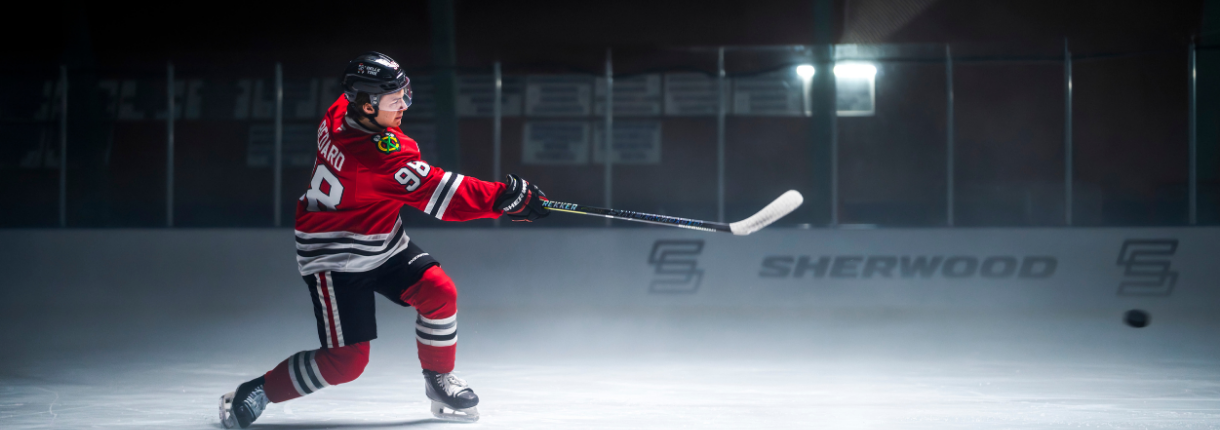
What separates the NHL's elite from everyone else? It's not just raw talent—it's the ability to think at top speed, combining exceptional hockey IQ with efficiency and subtle techniques that matter more than brute strength. The best players like Connor McDavid, who broke Olympic records with 13 points in six games, demonstrate how elite speed paired with vision and shooting ability creates separation.
This deep dive reveals the specific techniques that make NHL superstars unstoppable, from McDavid's zone entry mastery to Matthews' quick release mechanics.
Quick Answer: The Elite Skills Breakdown
The techniques that separate NHL top players:
- Elite Edgework: McDavid's superior edgework allows him to move north-south and east-west equally well
- Quick Release: Matthews' scoring success comes from quick release and smart positioning
- Hockey IQ: The ability to read plays, anticipate movement, and see plays before they develop
- Zone Entry Control: McDavid leads the NHL with nearly 80% controlled zone entries
- Tempo Control: Players like Draisaitl represent the league's emphasis on patience, vision, and tempo control
Elite Skating: The Foundation of Dominance
Few players make skating look easier than McDavid, whose exceptional speed is matched by the ease with which he moves around the ice, weaving in and out of defenders without losing pace.
The McDavid Standard
McDavid skates equally well north-south and east-west, largely due to his superior edgework, which ranks among the elite of all NHL players. His skating technique involves:
- First Step Explosion: MacKinnon gets off the line better than anyone with first three steps integral to speed, going from standstill to top speed in just a few steps
- Effortless Glide: While McDavid's glide is graceful, MacKinnon's has almost violent power behind his stride
- Edge Control: Ability to make sharp cuts without losing momentum
Key Skating Elements for Elite Play
Balance and Core Strength
Elite players do things on skates that most people cannot do on their feet on dry land, primarily due to exceptional balance that allows them to move, check, pass and shoot.
Directional Changes
- Quick crossovers without speed loss
- Inside edge control for tight turns
- Outside edge power for acceleration
CCM Jetspeed FT8 Pro Senior Ice Hockey Skates
$1,229.99
Hockey IQ: Reading the Game at Light Speed
Hockey IQ—the ability to read plays, anticipate movement, and make decisions under pressure—has become a defining skill as time and space shrink quickly when every player closes gaps at top speed.
The Mental Game Revolution
Analytics consistently show that puck possession, shot quality, and efficient decision-making correlate more strongly with winning than hits or fights, leading front offices to favor smart, skilled players.
Elite Pattern Recognition
- High hockey IQ players know where the next pass needs to go and understand situations better and faster than opponents
- Anticipating opponent movements
- Reading defensive positioning instantly
Crosby's Veteran Excellence
Crosby demonstrates the poise of a seasoned champion, content to support rather than dominate, leading by example and guiding without obstructing. His approach includes:
- Anticipatory Positioning: Moving to where the play will be
- Pressure Recognition: Reading pressure and controlling tempo like international players who prioritize creativity
- Situational Awareness: Adapting role based on game state
Shooting Precision: Matthews' Quick Release Mastery
Matthews highlights the evolution of scoring, with success coming from quick release, smart positioning, and subtle puck protection, showing that efficiency and hockey IQ matter more than brute strength.
The Quick Release Revolution
Technical Elements
- Deceptive Setup: Minimal telegraph before shot
- Weight Transfer: Efficient energy transfer from legs to stick
- Follow-Through: Consistent wrist roll for accuracy
Shot Selection Intelligence
High-Percentage Areas
- Home plate area (slot)
- One-timer positions on power play
- Rebounds and deflection opportunities
Ovechkin's Office
There's a reason they call it Ovi's Office—he stands in the same position at the top of the left face-off circle, collects the puck and scores, time and time again, and everyone knows about it but no one can stop it.
CCM Ribcor Trigger 10 Pro Senior Hockey Stick
$389.99
Vision and Playmaking: Crosby's Enduring Excellence
Even at 38, Crosby remains a key figure for Team Canada, becoming the seventh player to record double-digit points at Olympic Games featuring NHL players.
Elite Vision Components
See-Through Plays
- Elite players like Panarin play chess, with uncanny ability to anticipate where plays might develop and find perfect plays for teammates
- Reading developing plays 2-3 seconds ahead
- Identifying passing lanes through traffic
Timing Precision
- Pass release at optimal moment
- Thread-the-needle accuracy
- Backhand precision like Kucherov, who uses deceptive backhanders as part of his elite arsenal
Zone Entry Techniques: McDavid's 80% Success Rate
According to game analyst Corey Sznajder's data, McDavid leads the NHL by a wide margin in gaining the offensive zone with control, with nearly 80% of his zone entries coming with control as opposed to dumping the puck in.
Controlled Entry Mastery
The McDavid Method
- Speed Through Neutral Zone: Building momentum before defensive pressure
- Wide Entry: Using full ice width to create angles
- Edge Work: Superior edgework allows movement in any direction
- Puck Protection: Maintaining possession through contact
Entry Types
- Carry-In: Direct control through defensive pressure
- Pass-and-Follow: Quick give-and-go to maintain possession
- Wide Wheel: Using boards to create space
Power Play Positioning: Learning from Leon Draisaitl
Leon Draisaitl represents the league's growing emphasis on patience and vision, with ability to control tempo and read pressure reflecting a global style that prioritizes creativity and decision-making.
The German Precision Approach
Net-Front Presence
- Screen and Tip: Positioning for deflections
- Cycle Game: The magic comes when elite players combine on power plays, with Canada's setup being "absolutely frightening with the amount of talent they push near the net"
- Timing: Knowing when to move and when to stay
Half-Wall Mastery
- Shooting Lanes: Creating and exploiting openings
- Pass Reception: Quick one-timers from various angles
- Pressure Patience: Draisaitl's ability to read pressure reflects creativity and decision-making priorities
Warrior Alpha LX3 Pro Senior Hockey Stick
$369.99
Defensive Awareness: Cale Makar's Two-Way Excellence
While some make arguments for picking top-tier defender Cale Makar first overall in fantasy, his two-way excellence demonstrates how modern defensemen combine elite offensive skills with defensive responsibility.
Modern Defenseman Evolution
Transition Game
- First Pass Precision: Clean breakouts under pressure
- Gap Control: Managing space between attacker and goal
- Active Stick: Disrupting plays without taking penalties
Offensive Activation
- Pinching Timing: Knowing when to join rush
- Point Shot: Creating traffic and rebounds
- Puck Movement: Quick decisions to maintain possession
Physical Efficiency: Smart Strength Over Brute Force
Physical play remains part of hockey's identity, but speed, skill, and hockey IQ now define success as the style emphasizes quick transitions and technical skill over size or intimidation alone.
Functional Hockey Strength
Core Stability
Players need "hockey strength"—specific strength that develops core skills, requiring strong legs, cores, and wrists to effectively become great hockey players.
Contact Efficiency
- Body Positioning: Winning battles through leverage
- Puck Protection: Using body to shield puck
- Board Work: Players like MacKinnon use physical strength to power through defenders while drawing penalties
Movement Without the Puck
No great player stands around on the ice—forwards work to get open, defensemen drift to get between their mark and the net, and goalies constantly adjust their feet.
Off-Ice Training Techniques
The best players give it their all on ice at practice and continue that off the ice, with off-ice training being hugely important for developing technique, skills, strength, movement, knowledge, and balance.
Elite Training Components
Plyometric Power
- Single-leg bounds for skating power
- Lateral jumps for edge work
- Box jumps for explosive starts
Hockey-Specific Agility
- Cone weaving patterns
- Direction change drills
- Balance board training
Mental Training
The best players are students of the game—they watch hockey, talk hockey, and think about the game all the time.
HockeyShot SuperDeker Pro (2 Panel)
$449.99
Equipment That Enhances Elite Performance
Stick Technology
Modern NHL players benefit from advanced composite technology that enhances:
- Quick Release: Carbon fiber layups for faster energy transfer
- Feel Enhancement: Vibration dampening for better puck control
- Durability: Advanced resin systems for consistent performance
Skate Innovation
- Boot Stiffness: Optimized energy transfer
- Steel Quality: Enhanced edge retention
- Fit Systems: Custom moldable liners
Bauer Vapor FlyLite Senior Ice Hockey Skates With Runner
$1,179.99 - $1,229.99
Next-Generation Stars: Connor Bedard's Emergence
The youngest elite players demonstrate how techniques continue to evolve. Players like Connor Bedard represent the next generation of skill, combining traditional fundamentals with modern training methods.
Youth Development Focus
Skill Before Size
- Technical precision over physical play
- Hockey IQ development from early age
- Multisport athletic foundation
Technology Integration
- Video analysis for technique refinement
- Biometric training optimization
- Advanced equipment fitting
Frequently Asked Questions
What's the most important skill for becoming an elite NHL player?
Hockey IQ—the ability to read plays, anticipate movement, and make decisions under pressure—has become the defining skill, as players who see the play before it develops maintain an advantage even as the league grows faster.
How do NHL top players maintain their edge work?
Elite players like McDavid develop superior edgework through consistent practice, allowing them to move equally well in all directions. Daily skating drills focusing on tight turns, crossovers, and direction changes are essential.
What makes McDavid's zone entries so effective?
McDavid leads the NHL with nearly 80% controlled zone entries because he combines exceptional speed with elite edgework, allowing him to maintain puck control through defensive pressure while creating scoring opportunities.
How important is shooting accuracy versus power?
Modern elite players like Matthews show that efficiency and quick release often matter more than brute strength. Elite shooters can hit precise targets from difficult angles, making accuracy the priority.
What role does size play in modern NHL success?
While physical play remains part of hockey's identity, speed, skill, and hockey IQ now define success more than size or intimidation alone. Elite players win through technique and intelligence rather than raw physicality.
How do elite players develop their hockey IQ?
The best players are students of the game—they watch hockey, talk hockey, and think about the game constantly. This includes studying video, understanding systems, and constantly analyzing game situations.
What's the difference between good and elite NHL players?
Being able to control the puck effortlessly is what separates good players from great ones. Elite players combine multiple skills seamlessly—skating, shooting, passing, and hockey IQ—while maintaining consistency under pressure.
How important is off-ice training for NHL players?
Off-ice training is hugely important for developing the technique, skills, strength, movement, knowledge, and balance it takes to be great. Modern players use comprehensive training programs that address all aspects of performance.
Ready to develop elite-level skills? Browse our complete selection of professional training equipment and premium sticks at HockeyMonkey.com to start training like the NHL's top players.