
Types of Hockey Sticks: Which Type is Best for You?


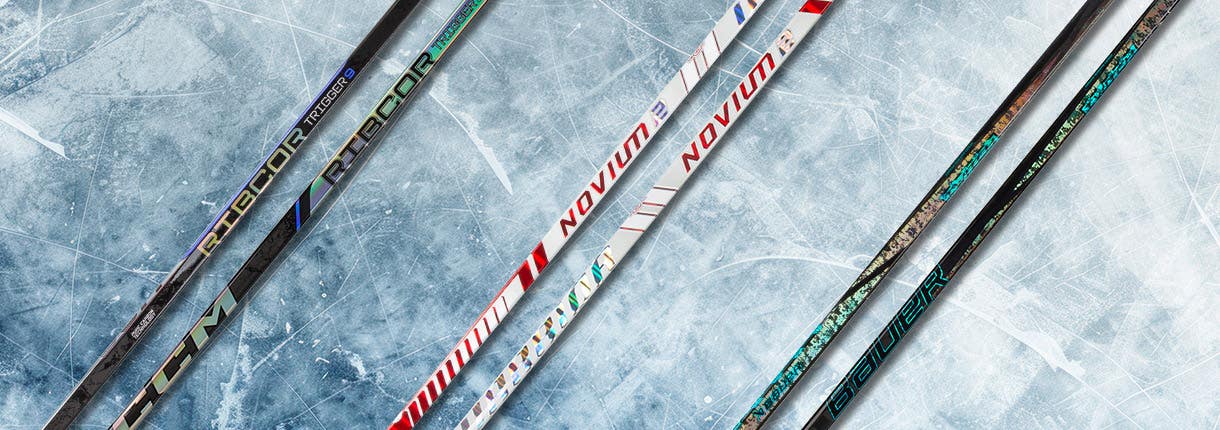
Your hockey stick affects everything you do on the ice—shooting, passing, puck handling, and even how quickly you react during a play. Choosing between the different types of hockey sticks can feel overwhelming, especially with so many materials, kick points, blade patterns, and flex options available today.
So, what is the best type of hockey stick for you? The answer depends on your position, skill level, shooting style, and budget. This guide breaks down the types of hockey sticks available today and helps you determine what type of hockey stick you should buy based on how you play the game.
Why Your Hockey Stick Matters
Your stick is one of the most important pieces of gear in hockey. The right setup can:
- Improve shot power
- Increase release speed
- Enhance puck control
- Improve passing accuracy
- Reduce fatigue during games
The wrong stick, on the other hand, can make your game feel uncomfortable and inconsistent.
Whether you're shopping for elite-level composite sticks or beginner-friendly options, understanding the different types of hockey sticks helps you make the right decision.
Choosing the Best Type of Hockey Stick for You
Selecting the right hockey stick is key to improving your performance on the ice. Whether you're a beginner or a seasoned player, the right stick can enhance your shooting, passing, and overall gameplay. At HockeyMonkey, we help you find the perfect stick that suits your playing style, from lightweight composite models to traditional wood sticks. With our expertise, you'll discover a stick that boosts your confidence and performance, making a noticeable difference in your game.
Overview of Different Types of Hockey Sticks
There are several ways hockey sticks are categorized:
- Material
- Kick point
- Flex profile
- Stick length
- Blade pattern
- One-piece vs two-piece construction
Each factor changes how the stick performs on the ice.
Hockey sticks come in various types, each with unique characteristics. The main types are wood and composite sticks. Understanding these differences will help you choose the best stick for your game.
Composite Hockey Sticks
Composite sticks dominate today's game, made from advanced materials like carbon fiber, fiberglass, and sometimes Kevlar for strength, durability, and lightweight performance. These sticks offer enhanced shot power, flex, and precision, making them ideal for all levels of play.
Features include:
- Lightweight construction
- Faster shot release
- Better energy transfer
- Improved puck feel
- Multiple kick point options
Popular models include:
| Composite Hockey Sticks | |
|---|---|
| Advantages |
|
| Disadvantages |
|
| Best Use Cases |
|
Wood Hockey Sticks (Rarely Used)
Wood sticks are now mostly obsolete in modern hockey but can still be found in some recreational settings or for training purposes. They are made from laminated wood, often reinforced with fiberglass for durability.
| Wood Hockey Sticks | |
|---|---|
| Advantages |
|
| Disadvantages |
|
| Best Use Cases |
|
Factors to Consider When Buying a Hockey Stick
When choosing a hockey stick, consider the following factors:
- Player's Age: Ensure the stick matches the player's age and size for proper handling.
- Level of Play: Beginners might prefer wood for its durability, while advanced players may opt for composite for performance.
- Position: Forwards might prefer lighter sticks for quick shots, while defensemen may choose stronger, more durable sticks.
- Playing Style: Your style (e.g., power vs. finesse) will influence the type of stick that best suits your needs.
Understanding Hockey Stick Kick Points
What is a hockey stick kick point?
The kick point is where the stick flexes most during shooting.
Different kick points create different shot characteristics.
Low Kick Hockey Sticks
Low kick sticks flex lower in the shaft for quick releases.
Benefits include:
- Faster snapshots
- Quick wrist shots
- Lightweight feel
- Ideal for close-range scoring
Popular low kick sticks:
Who should use a low kick stick?
Low kick sticks are best for:
- Forwards
- Quick-release shooters
- Offensive players
- Fast-paced playmakers
Mid Kick Hockey Sticks
Mid kick sticks flex closer to the middle of the shaft.
Benefits include:
- Powerful slap shots
- Strong one-timers
- Maximum shot power
Popular mid kick sticks:
Who should use a Mid kick stick?
Mid kick sticks work best for:
- Defensemen
- Power shooters
- Players taking heavy slap shots
Hybrid Kick Hockey Sticks
Hybrid kick sticks combine quick release with shot power.
Benefits include:
- Versatility
- Balanced shooting profile
- All-around performance
Popular hybrid kick sticks:
What is the best type of hockey stick kick point?
The best type of hockey stick depends on your play style:
- Quick-release forwards → low kick
- Powerful shooters → mid kick
- Balanced players → hybrid kick
Choosing the Right Hockey Stick Flex
What flex rating should you use?
Stick flex affects shooting mechanics and puck feel.
A lower flex:
- Bends easier
- Helps smaller players load shots
- Improves release speed
A higher flex:
- Creates more power
- Feels stiffer
- Requires more strength
| Player Type | Recommended Flex |
|---|---|
| Youth Players | 20-40 |
| Junior Players | 40-55 |
| Intermediate Players | 55-70 |
| Adult Recreational | 75-85 |
| Strong Elite Players | 85-105+ |
What flex should beginners use?
Beginners usually benefit from lower flex sticks because they’re easier to load and control.
Browse:
Stick Length and Sizing
How tall should your hockey stick be?
Stick height affects:
- Puck handling
- Shooting leverage
- Skating posture
General sizing:
- On skates: stick reaches chin
- Off skates: stick reaches nose
Should you cut your hockey stick?
Yes, many players cut sticks for better control. Just remember:
- Cutting increases stiffness
- Shorter sticks improve handling
- Longer sticks improve reach
Browse:
Caring for Your Hockey Stick

Proper care extends the life of your hockey stick, regardless of type:
- Clean Regularly: Wipe down your stick after games to remove moisture and debris.
- Inspect for Damage: Check for cracks or chips and address them immediately.
- Store Properly: Keep your stick in a dry, cool place to avoid warping.
- Tape Maintenance: Regularly change the tape on the blade and handle for optimal grip and protection.
Types of Hockey Sticks - Frequently Asked Questions
What type of hockey stick should I buy as a beginner?
As a beginner, a wood hockey stick or a lower-end composite stick is a great option due to its durability and affordability. It provides excellent puck feel, which helps in developing fundamental skills.
How can I tell if a hockey stick is the right fit for me?
A hockey stick is the right fit if it reaches between your chin and nose when standing on skates. Additionally, the flex rating should match your strength and playing style.
Can I use the same hockey stick for ice and street hockey?
While you can use the same stick for both, it's recommended to have separate sticks for each. Ice hockey sticks can wear down quickly on rough street surfaces, reducing their lifespan.
How often should I replace my hockey stick?
Replace your hockey stick when it shows signs of significant wear, such as cracks or a loss of stiffness. For frequent players, this might be a couple times a season, while occasional players might find their sticks last longer.
What type of hockey stick should I buy?
You should choose a stick based on your skill level, position, shooting style, and preferred puck feel. Most players today prefer lightweight composite sticks with kick points matched to their style of play.
What kick point is best for hockey sticks?
Low kick sticks are best for quick releases, mid kick sticks favor powerful shots, and hybrid kick sticks offer balanced all-around performance.
Does cutting a hockey stick change the flex?
Yes. Cutting a hockey stick increases its stiffness, making the flex feel higher than the original factory rating.




Login and Registration Form
or
Create an account